Special offer: Save 15% on Char Dham packages
Uttarakhand, India

Hotels in Kedarnath

Stays near Kedarnath temple — a sacred Char Dham destination

Where to stay for the Kedarnath yatra — Guptkashi, Phata, Sersi, Sitapur, Sonprayag and Gaurikund.

1+ Hotels
4.8 Rated
24/7 Support
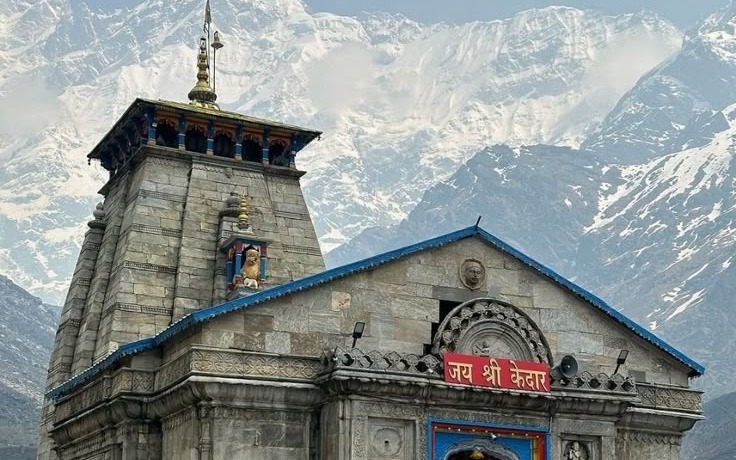
Hotels in Kedarnath — view of Kedarnath temple Kedarnath
Top Rated Char Dham site
Pilgrim guest avatar Yatri guest avatar Devotee guest avatar
10,000+ Happy travellers

Kedarnath is the hardest of the four Char Dham shrines to reach. The temple stands at 3,583 metres and there is no road to it — vehicles stop at Sonprayag, and the last 16 km from Gaurikund is on foot, by pony, or by helicopter from one of the valley helipads.

That single fact shapes every accommodation decision. Where you sleep is not just about comfort; it determines what time you start, how much altitude you gain in a day, and whether an elderly parent can manage the climb at all. This page covers the towns along the route, what each is good for, and how to plan a stay around the trek.

History

Kedarnath is one of the twelve Jyotirlingas and among the most revered Shiva shrines in India. The stone temple has stood on the Mandakini headwaters for centuries and is traditionally linked to the Pandavas, with Adi Shankaracharya credited with reviving worship there.

Spiritual

At 3,583 metres, ringed by the Kedarnath and Kharchakund peaks, the shrine has the starkest setting of the four Dhams. The rhythm is disciplined — pre-dawn abhishek, evening aarti, and long silent queues in thin cold air. The rebuilt precinct after the 2013 floods has widened the approach to the sanctum.

Travel

Vehicles reach Sonprayag; shared jeeps continue to Gaurikund, where the 16 km trek begins. Ponies, palanquins and helicopter services from Phata, Guptkashi and Sersi are available. This is the hardest of the four Dhams on foot, and route control windows are enforced in bad weather.

Spiritual destination Mountain routes Families & pilgrims Planned itinerary

Where to stay for the Kedarnath yatra

Accommodation at Kedarnath itself is limited, seasonal and basic — guest houses, lodges and tented camps run by the temple committee and local operators. It fills quickly, and in peak weeks it fills months ahead.

Most pilgrims therefore sleep lower down the valley and climb in a day. That is usually the better plan anyway: sleeping at 3,583 metres after a 16 km ascent is hard on anyone not acclimatised, and the lower towns have hot water, proper meals and mobile signal.

Before you commit to any property, check:

  • Where it actually is — "Kedarnath" in a listing often means somewhere on the route, not the shrine
  • Distance and travel time to Sonprayag or Gaurikund
  • Hot water on a running geyser rather than by the bucket
  • An attached bathroom — not every older property has one
  • Whether the kitchen serves before a pre-dawn start
  • Room capacity for your whole group without folding beds
  • Parking, if you are driving yourself

Staying along the Kedarnath route

Six places take overnight guests, and they differ mainly in altitude and how close they are to the trek head.

Guptkashi

The largest town on the route and the most comfortable base, roughly 30 km below Sonprayag at around 1,300 metres. It has the widest choice of rooms, proper restaurants, ATMs and a pharmacy. Low enough to sleep well, which matters more than most pilgrims expect. Best for families, groups and anyone travelling with elderly parents.

Phata and Sersi

Both sit between Guptkashi and Sonprayag, and both are helicopter departure points during the yatra season. If you have a helicopter booking, staying at your departure helipad removes a pre-dawn drive from the plan. Keep the itinerary flexible either way — mountain weather grounds flights at short notice.

Sitapur

A smaller stop just short of Sonprayag, useful if you arrive late in the day and want to shorten the next morning's drive.

Sonprayag

The road head. Private vehicles stop here, and shared jeeps run the last few kilometres to Gaurikund. Staying here puts you closest to the trek without going up to Gaurikund itself, though rooms are simple and the town is busy in season.

Gaurikund

Where the 16 km trek begins, with hot springs traditionally used by pilgrims before setting out. Staying here removes the morning drive entirely — worth a great deal if you are walking with children or older relatives. Accommodation is basic and books out early.

Our property on the route

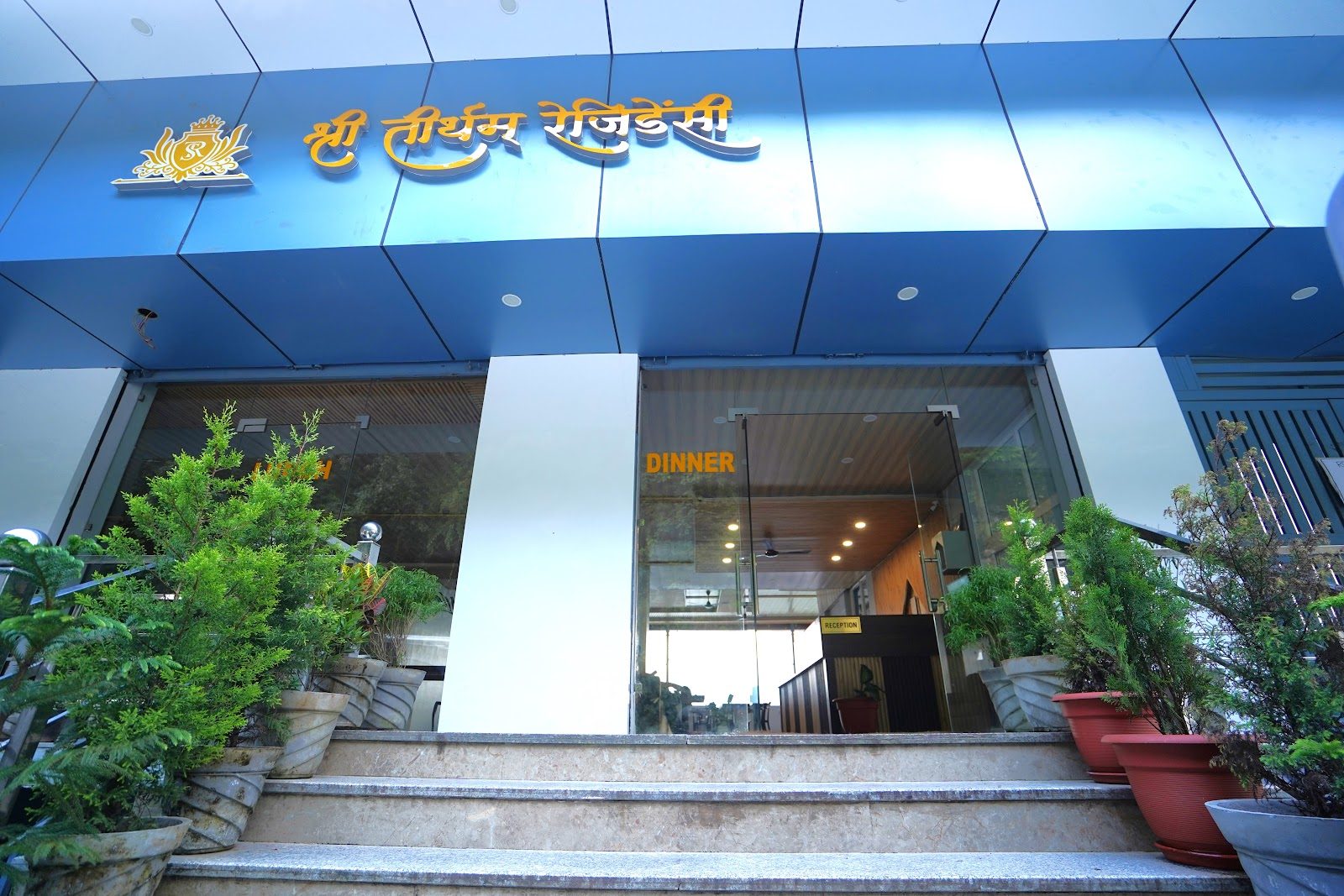
Shree Tirtham Residency is at Sersi Phata near Guptkashi, on the Kedarnath route rather than at the shrine. That puts it within reach of the Phata and Sersi helipads and at a comfortable altitude for the night before the climb. See rooms and facilities.

Hotels near Kedarnath Temple itself

There is accommodation at Kedarnath — guest houses, lodges and tented camps within walking distance of the shrine — but it is seasonal, limited and simple. It suits pilgrims whose priority is an early darshan and who are prepared for basic conditions at altitude.

If you want to stay at the top, book well ahead and confirm exactly which property you have been allocated, because listings advertised as "near Kedarnath Temple" frequently turn out to be somewhere down the valley. If nothing is available, staying lower and climbing in a day is the normal alternative, not a compromise.

How to reach Kedarnath

By road. Vehicles reach Sonprayag via Rishikesh, Rudraprayag and Guptkashi. Private cars park at Sonprayag; shared jeeps cover the last stretch to Gaurikund.

On foot. The trek runs 16 km from Gaurikund to the temple, climbing to 3,583 metres. Allow six to eight hours going up at a steady pace. Ponies and palanquins are available the whole way.

By helicopter. Services operate from Phata, Sersi and Guptkashi during the season, subject to weather and availability. Build spare time into the itinerary — flights are cancelled for cloud more often than people expect.

Places to visit around Kedarnath

Kedarnath Temple

One of the twelve Jyotirlingas and among the most revered Shiva shrines in India, built in dressed stone without mortar and framed by the Kedarnath peak behind it.

Bhairavnath Temple

A short, steep climb above the main shrine to the guardian temple, with the widest view over the valley and the rebuilt precinct. Best in clear morning light.

Gandhi Sarovar

Also called Chorabari Tal, a glacial lake about 3 km beyond the temple on a moraine trail. Only attempt it after a full night at altitude.

Triyuginarayan Temple

The mythological wedding site of Shiva and Parvati, where a sacred fire is said to have burned through three ages. Reached by road from the Sonprayag side.

Sonprayag and Gaurikund

The confluence at Sonprayag and the hot springs at Gaurikund are both worth the short stop, and seeing the trek head the evening before makes the morning start easier.

Best time to visit Kedarnath

The temple opens around Akshaya Tritiya in late April or early May and closes on Bhai Dooj in November, when the deity is carried down to Ukhimath for the winter.

May and June are the busiest weeks and the hardest for rooms. July and August are the most closure-prone stretch of the entire Char Dham circuit — this is the route that suffers most in heavy rain, so keep spare days. September and October bring the clearest weather and the sharpest views of the peaks, with far easier availability.

Room rates, budget stays and booking

Rates vary by location, season, room type and demand rather than sitting at a fixed price, and peak pilgrimage weeks carry the highest. Rooms on the route also price differently from town to town — Guptkashi generally offers more for the money than the higher, more constrained stops.

On budget stays: the cheapest room is not automatically the best value on a mountain pilgrimage. Hot water, a warm bed and food available at yatra hours matter more here than they would on an ordinary trip, and a room that lacks them costs you the next day's climb.

When you enquire, include:

  • Check-in and check-out dates
  • Number of adults and children
  • Number of rooms and preferred room type
  • Your planned route, and whether you are trekking or flying
  • Any dietary or accessibility requirements

On cancellations: bookings cancelled 30 or more days before check-in are refunded in full at no charge. Between 15 and 29 days a 25% charge applies, between 7 and 14 days it is 50%, and inside 7 days the booking is non-refundable. Full terms are on our cancellation policy page.

Send your dates to the booking desk and we will confirm what is available on your route.
Best time to visit Kedarnath

April to June and September to November are ideal for smooth travel.

Quick travel tip

Carry warm layers and keep flexible buffer time for mountain weather.

MonthsWeatherNoteCrowd
Apr - May Cold, snow on route (0C - 12C) Opening weeks; the upper trek can still be under snow. Building
May - Jun Cold nights, mild days (3C - 16C) Peak flow; helicopter slots and Gaurikund stays sell out. Peak
Jul - Aug Monsoon, high risk (5C - 14C) Most closure-prone stretch of the entire Char Dham circuit. Low
Sep - Oct Clear, sharp cold (0C - 13C) Stable weather and the clearest peak views of the year. High
Oct - Nov Sub-zero nights Closes on Bhai Dooj; the palanquin descends to Ukhimath. Closing

Kedarnath yatra travel tips

What to carry

  • Photo ID and Char Dham registration — checked at Sonprayag
  • Warm layers plus a waterproof outer; weather turns fast at 3,583 m
  • Broken-in shoes with grip — 16 km is not the walk to test new boots
  • A head torch if you plan a pre-dawn start
  • Cash; mobile signal and card acceptance fade above Gaurikund

Altitude matters here

  • 3,583 m is high enough for genuine altitude sickness
  • Sleep a night at Guptkashi or Sonprayag before going up
  • Start the trek by 5 am to reach the temple before dark
  • Turn back if headache and nausea persist — do not push through

Planning and booking

  • May–June: peak weeks, book well ahead
  • July–August: the most closure-prone stretch of the Char Dham circuit
  • September–October: clearest weather, easiest availability
  • Flying? Keep spare days — helicopters are grounded for cloud

Kedarnath yatra — frequently asked questions

It depends on where you want to sleep the night before the climb. Accommodation at the shrine itself is limited and basic, so most pilgrims stay along the route at Guptkashi, Phata, Sersi, Sitapur, Sonprayag or Gaurikund and trek up in a day. Guptkashi offers the widest choice and the most comfortable altitude.

Yes, but limited — guest houses, lodges and tented camps within walking distance of the shrine. They are seasonal and simple, and fill early in peak weeks. Confirm exactly which property you have been allocated, since listings advertised as "near Kedarnath Temple" are often somewhere down the valley.

Send your check-in and check-out dates, the number of adults and children, how many rooms you need, and your planned route — including whether you are trekking or flying. Those details are what let us confirm something genuinely available rather than give a general answer.

Rates vary by location, season, room type and demand, and peak pilgrimage weeks carry the highest. Rooms also price differently town to town, with Guptkashi generally offering more for the money than the higher, more constrained stops. Send your dates and we will confirm current rates.

Guptkashi is the most comfortable base at around 1,300 metres, with the widest choice of rooms and proper restaurants. Phata and Sersi suit anyone with a helicopter booking, Sitapur works if you arrive late, and Sonprayag and Gaurikund put you closest to the trek head.

Gaurikund is where the 16 km trek starts, so staying there removes the morning drive entirely, which matters if you are walking with children or older relatives. Sonprayag is the road head where private vehicles stop, slightly lower and marginally easier for rooms. Both are simple; pick by what time you want to start.

Yes, at every stop from Guptkashi upwards. But the cheapest room is not automatically the best value on a mountain pilgrimage — hot water, a warm bed and food at yatra hours matter more here than on an ordinary trip, and a room without them costs you the next day's climb.

About 16 km each way, climbing to 3,583 metres, and six to eight hours going up at a steady pace. This is the hardest of the four Dhams on foot. Ponies and palanquins are available the whole way, and helicopter services run from Phata, Sersi and Guptkashi in season.

Yes. Rooms along the route become scarce in the peak season, and the closer to the shrine the earlier they go. Booking ahead also gives you a real choice of location and room type rather than whatever is left.

Cancel 30 or more days before check-in and the booking is refunded in full at no charge. Between 15 and 29 days a 25% charge applies, between 7 and 14 days it is 50%, and inside 7 days the booking is non-refundable. Full terms are on our cancellation policy page.

Our property in Kedarnath

Shree Tirtham Residency

Sersi Phata (Guptkashi), Ukhimath, Rudraprayag, Uttarakhand, 246471, India

Directions

Kedarnath on the map

Kedarnath Temple sits at 3,583 m. Vehicles reach Sonprayag; the trek starts at Gaurikund, 16 km from the shrine.

Concierge

Plan your Kedarnath yatra

Tell us your dates — we align stays, transfers, and temple timings for a composed yatra.

Nearby

Temple ~200 m
Bus stop ~500 m
Clinic ~300 m

Where to stay

Best hotels in Kedarnath — premium stays near the temple

Handpicked properties with pilgrim-friendly service, comfortable rooms, and easy access to Kedarnath's sacred sites.

Limited season slots

Confirm your stay and travel support

Our team responds within 30 minutes with hotel options tailored to your route, season, and budget.

Best price guaranteed Secure booking 24/7 support
Trusted by 10,000+ pilgrims & travellers
4.8 average guest rating
WhatsApp Enquire now